
But even if you could share information with another workshop you still might not have the full picture. Every workshop sees a different mix of vehicles. Some focus on family cars. Others handle utes and vans all day. A few deal mostly with European models. Each shop builds a sense of what works for their own customers, but no single workshop sees the full picture.
A specialist warehouse does.
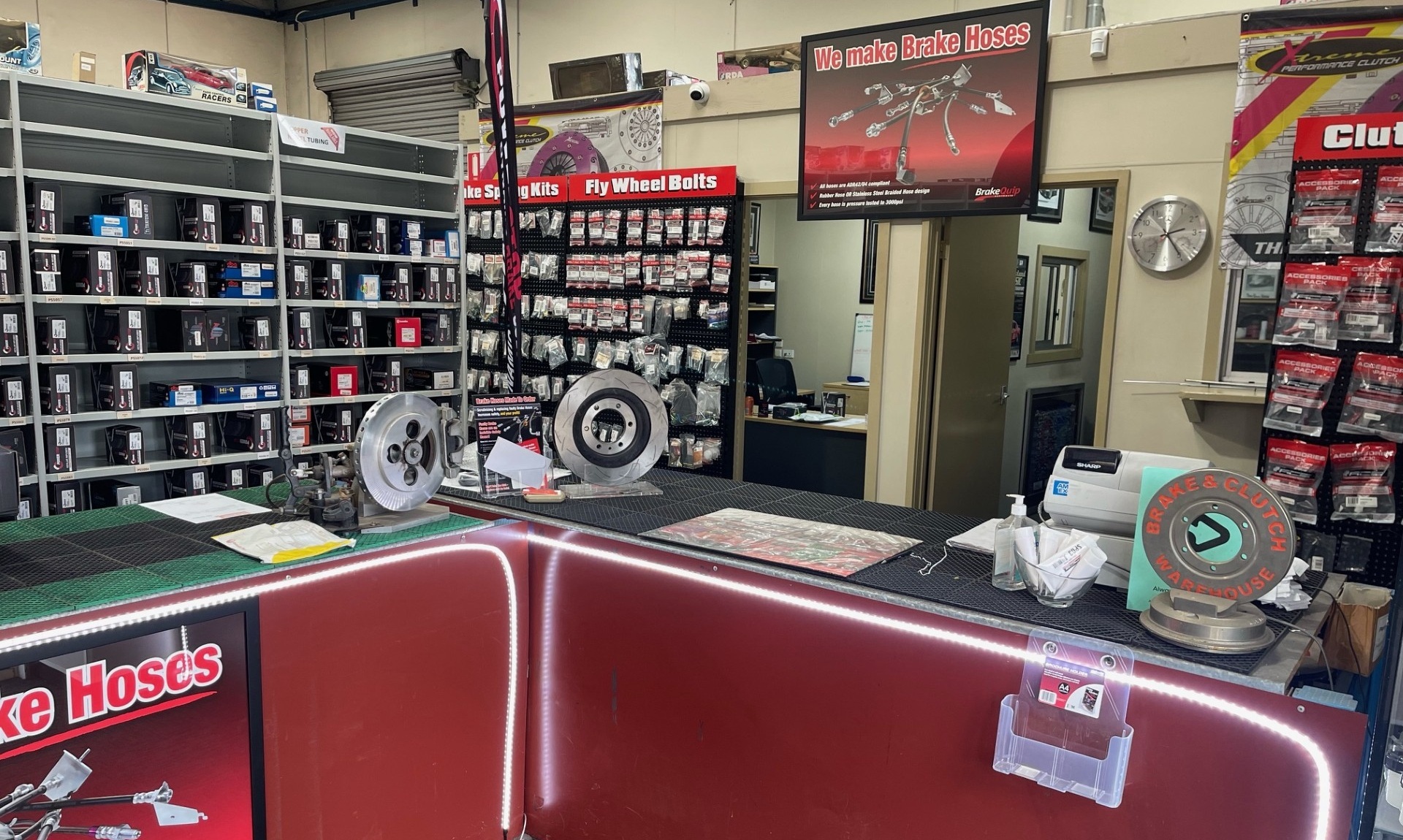
Every day it hears from mechanics across many suburbs, each fitting different parts into different cars for different purposes. Over time this creates a clear view of patterns that are difficult for workshops to spot on their own. These patterns help workshops make better decisions, reduce guesswork and match parts to real world use.
A wider view that makes day to day decisions easier
When many workshops choose the same rotor and pad combination for a popular ute or the same clutch kit for light commercial work, it is not random. The choice becomes popular because it performs well for a broad range of drivers.
A warehouse sees these choices repeat. It hears the same feedback from different mechanics who do not know each other but face the same real world jobs. That insight helps other workshops make quicker and more confident decisions when a similar vehicle comes in.
What workshops tell a warehouse that they do not tell each other
A workshop may only hear feedback from its own customers. A warehouse hears the combined view from many shops. That makes the advice more rounded and practical.
Different driving habits need different part choices
Two identical vehicles can need different parts depending on how they are used.
A family hatchback that does short trips all week behaves very differently to a ute that tows on weekends. A warehouse sees which materials and part combinations perform best for each type of driver.
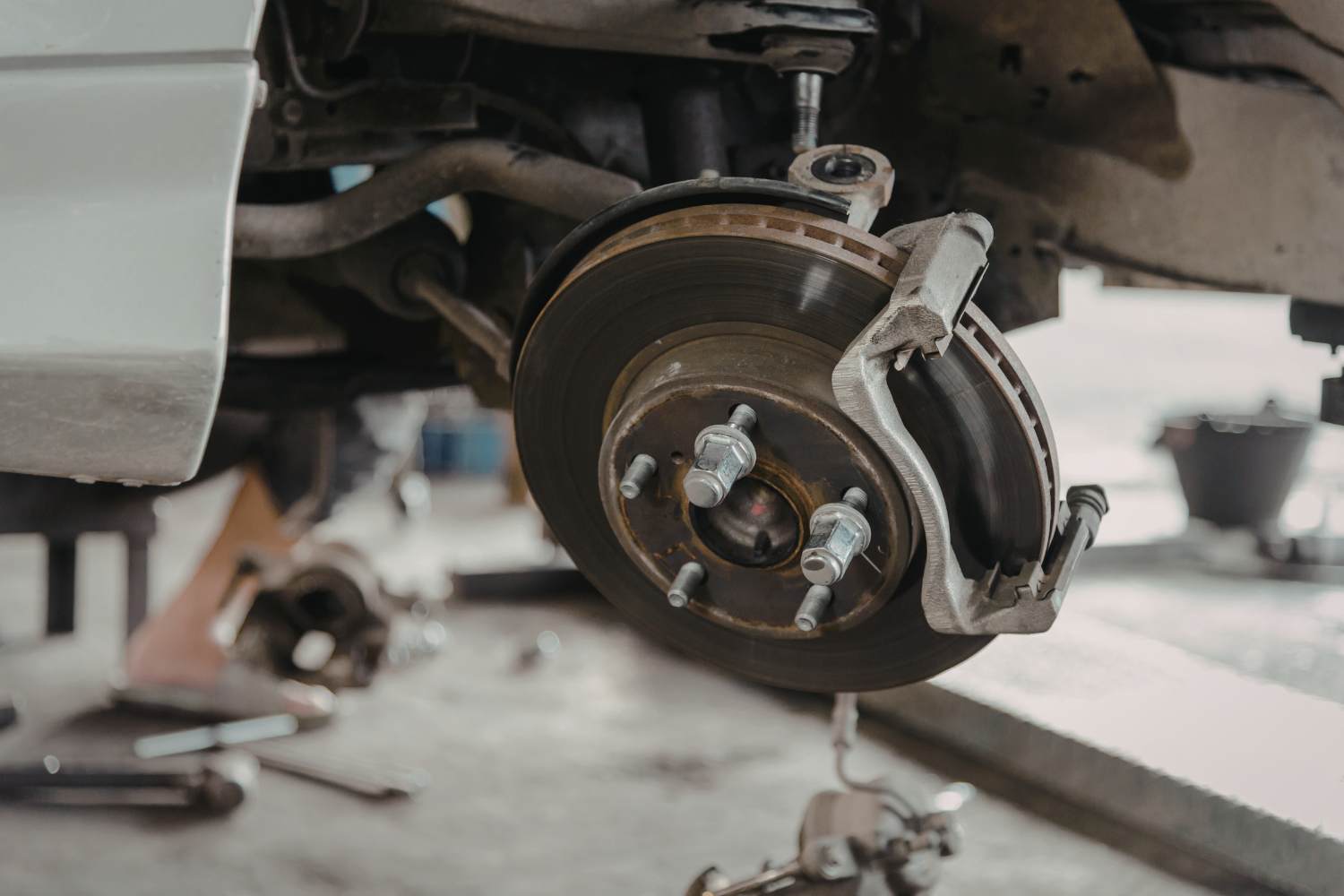
Here are the patterns that often appear when you look across many workshops:
| Vehicle use case | What workshops tend to choose |
|---|---|
| Daily stop start driving | Pads that bed in quickly and stay quiet |
| Heavy towing | Clutch kits with higher clamp load |
| European models | Pads that hold consistent pedal feel |
| Light commercial vans | Rotors with stronger heat stability |
| Country driving | Compounds that handle long braking cycles |
Fitment trends that repeat across the industry
Less guesswork when choosing parts
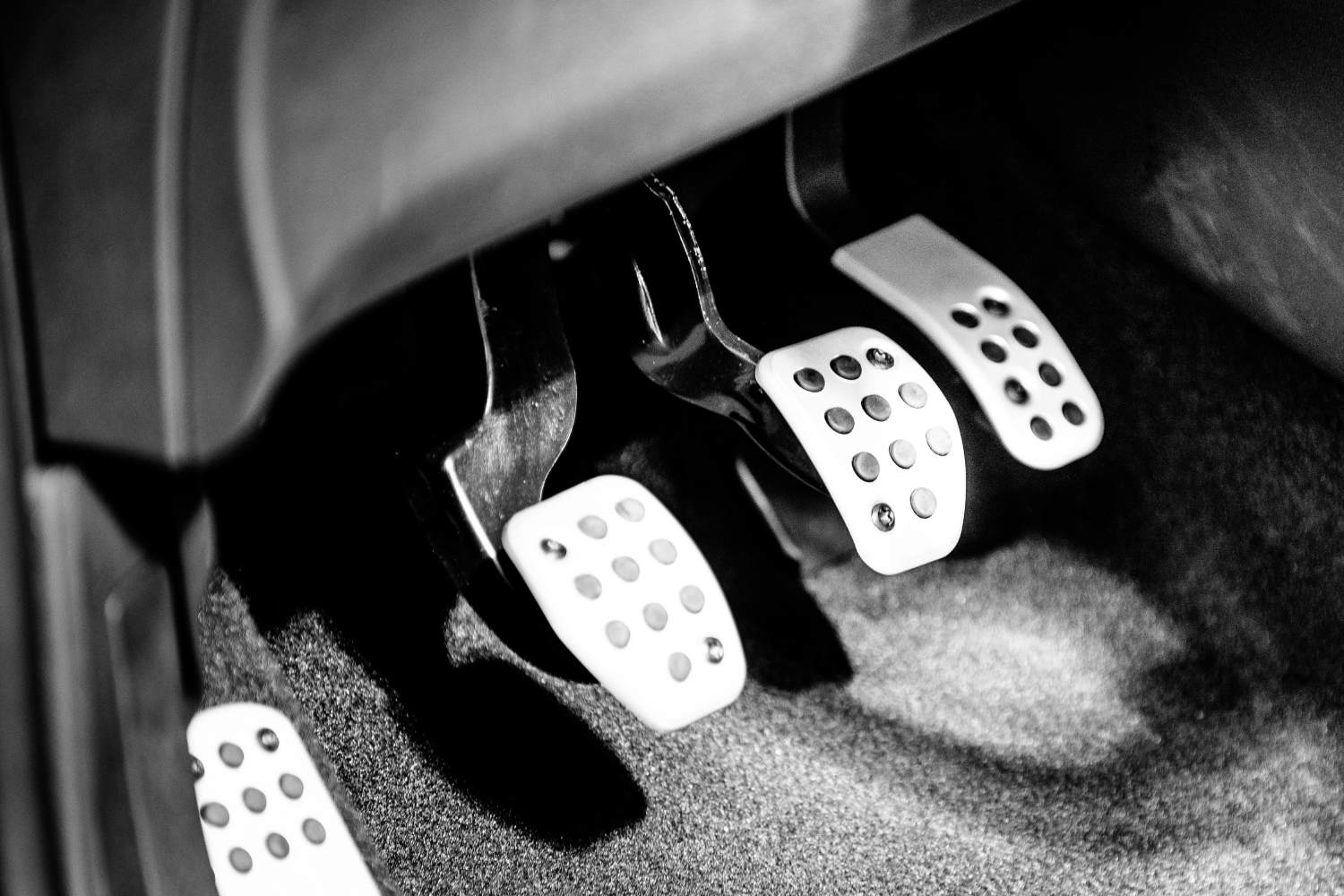
When a workshop is deciding between two similar parts, the real world insight from a warehouse can make the choice easier. A warehouse can explain which part other workshops prefer for the same vehicle or the same type of customer. It can give a sense of how the part behaves once it leaves the workshop.
This helps mechanics:
Why this insight is useful for busy workshops
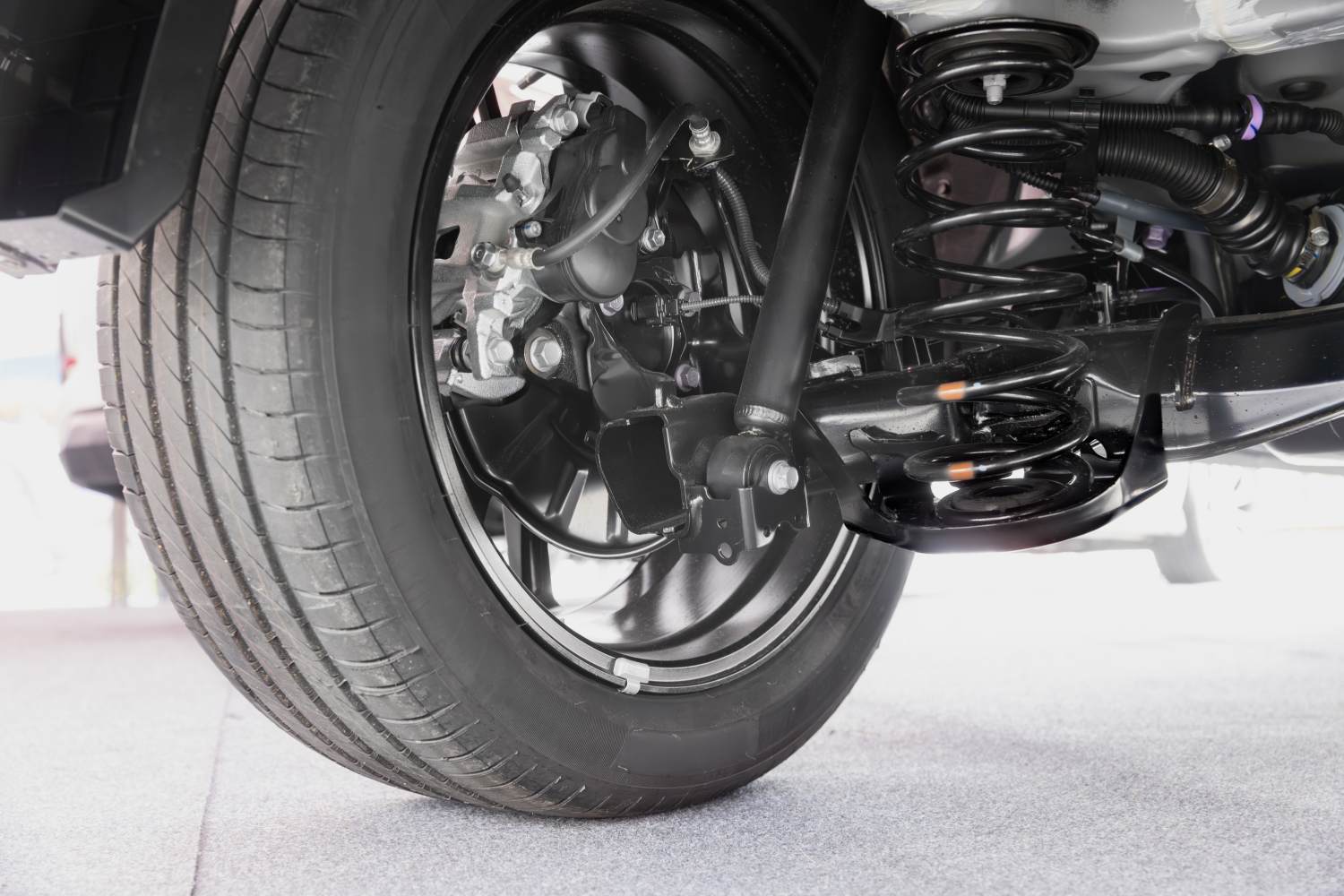
Experienced mechanics make good decisions even without outside help. What a warehouse offers is a broader view. It sees which choices work in many real situations. It sees the part combinations that become favourites among workshops that never speak to each other. It hears the same comments day after day from fitters who solve similar problems in different cars.
This gives workshops access to practical knowledge that usually takes years to build.
Good decisions grow from shared experience
Workshops know what works for their own customers. A warehouse knows what works across many. When those insights come together, they make everyday fitment choices easier, faster and more reliable.