Why Clutch Kits Wear Differently Across Vehicle Types 

Learn more

Mechanics see the same pattern across the workshop floor.
Two vehicles arrive with similar kilometres, yet one clutch shows minor wear and the other is close to failure. The differences often come down to the type of vehicle, the way it carries load and how the driveline manages torque.

Load and duty cycle differences

Commercial utes and vans place far higher demand on clutch assemblies than small passenger cars. Repeated towing, hill starts and constant low speed manoeuvring build heat quickly. Friction materials that behave well under light duty conditions can break down faster when exposed to heavy cycling.

Workshops see this most clearly in:

Same part number, different operating environment, very different wear behaviour.

Driveline design and torque delivery

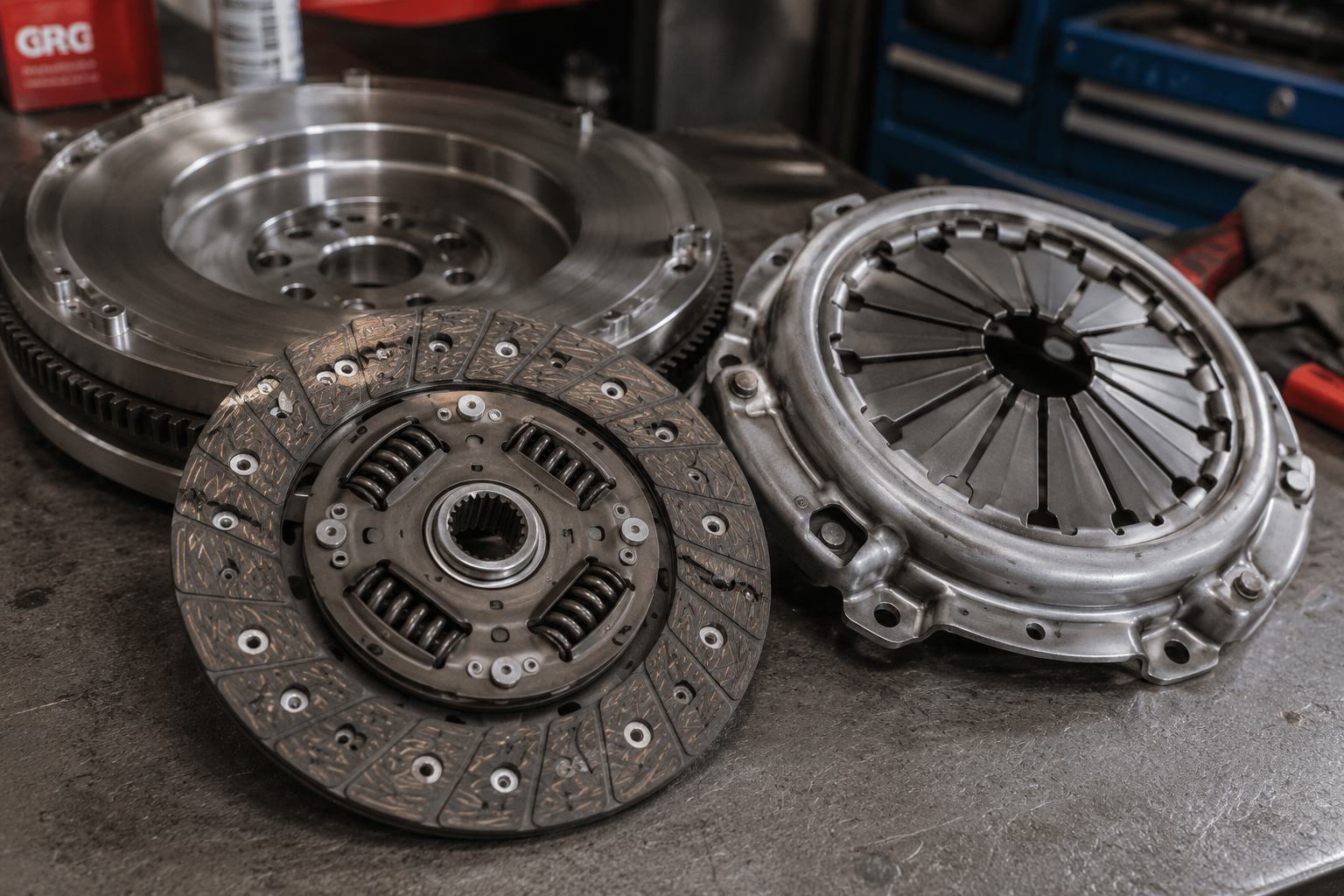
Modern turbo diesels produce strong low-end torque. While that makes them suitable for towing and commercial use, it also increases clutch load during takeoff. Dual mass flywheels help smooth these forces but add complexity, and wear patterns can be uneven if the driveline is regularly overloaded.

By contrast, smaller petrol engines apply load more gently, spreading wear more evenly across the pressure plate and friction disc.

Clutch material characteristics

Friction materials vary between manufacturers. Some formulations suit heat cycling better than others. Workshops tend to notice:
  • glazing on discs fitted to vehicles that do many short trips
  • early slip on clutches fitted to high torque diesels
  • uneven wear on vehicles used for reversing trailers or caravans
  • accelerated breakdown on friction materials exposed to repeated heavy load
These differences are not manufacturing faults. They reflect how each material responds to real-world driving.

Hydraulics and engagement behaviour

Clutch performance changes when hydraulic systems age. A vehicle with worn cylinders or contaminated fluid can produce inconsistent engagement, forcing the clutch to work harder than intended. Passenger vehicles might cope with this for months, while commercial vehicles feel the effect much sooner because of constant loading.

Mechanics often observe:

The clutch assembly wears in response to these behaviours.

Environmental effects on wear

Driving environment plays just as significant a role as load.
Common contributors include:

  • heat cycles from long distance travel
  • steep suburban terrain
  • dust and fine debris entering clutch housings
  • corrosion or moisture exposure in coastal regions
Two identical clutch kits can show very different outcomes depending on where the vehicle operates.

Why understanding wear differences matters for supply choices

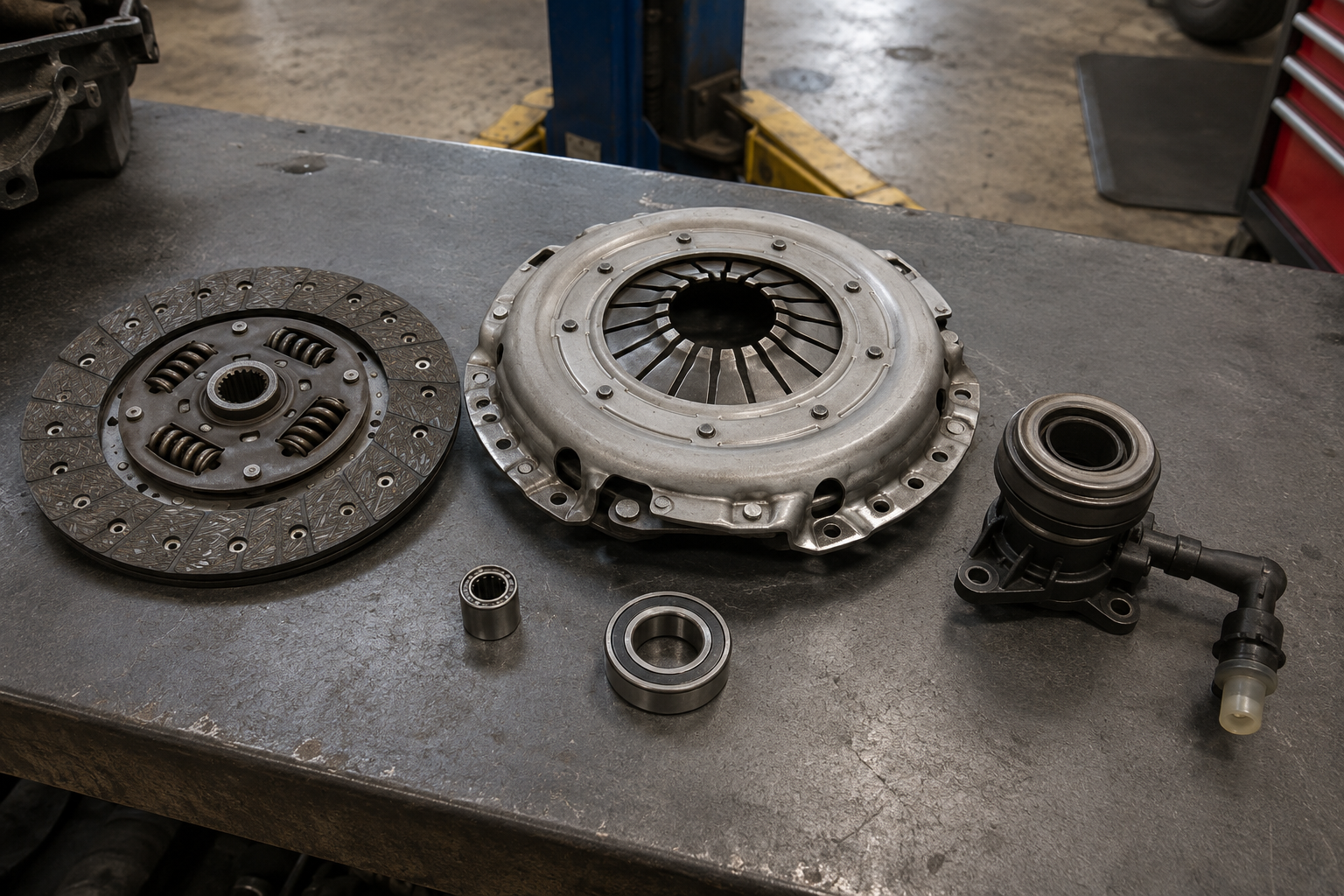
Workshops fit clutches across a broad range of vehicles. Knowing how different drivetrains and duty cycles affect wear helps mechanics decide which kits to trust, which materials behave predictably and which suppliers consistently deliver reliable stock. Consistency is often more important than any headline specification.

Straight Answers, No Fuss

Need to know if something is in stock?
Call and ask. If it’s not there, it will be tracked down and delivered fast. 
© Copyright Brake & Clutch Warehouse 2026. All Rights Reserved

Website design by CJ Digital