

Vehicle weight and brake load
The current Australian fleet is heavier. SUVs, dual cab utes and commercial vans place more heat and pressure on brake pads than older passenger cars. Pads that work well in small hatchbacks can show early glazing or fade in heavier vehicles.
Mechanics regularly observe:
Rotor alloy differences
Pads interact differently with each rotor alloy. Minor changes in hardness, carbon content or casting consistency affect noise, dust and wear. A pad that stays quiet on one vehicle can squeal or chatter on another even when installed correctly.
Common outcomes linked to rotor alloy changes
| Rotor characteristic | Workshop impact |
|---|---|
| Harder iron alloy | Increased low-speed noise, reduced initial bite |
| Softer iron alloy | Higher dust levels and faster pad wear |
| Inconsistent metallurgy | Uneven transfer film and intermittent noise |
| High thermal load rotors | Pad glazing during repeated heavy braking |
Electronic braking systems and pad behaviour
Modern braking systems use electronics to hold pressure, adjust modulation and distribute braking effort. These systems change how pads wear.
Workshops commonly report:
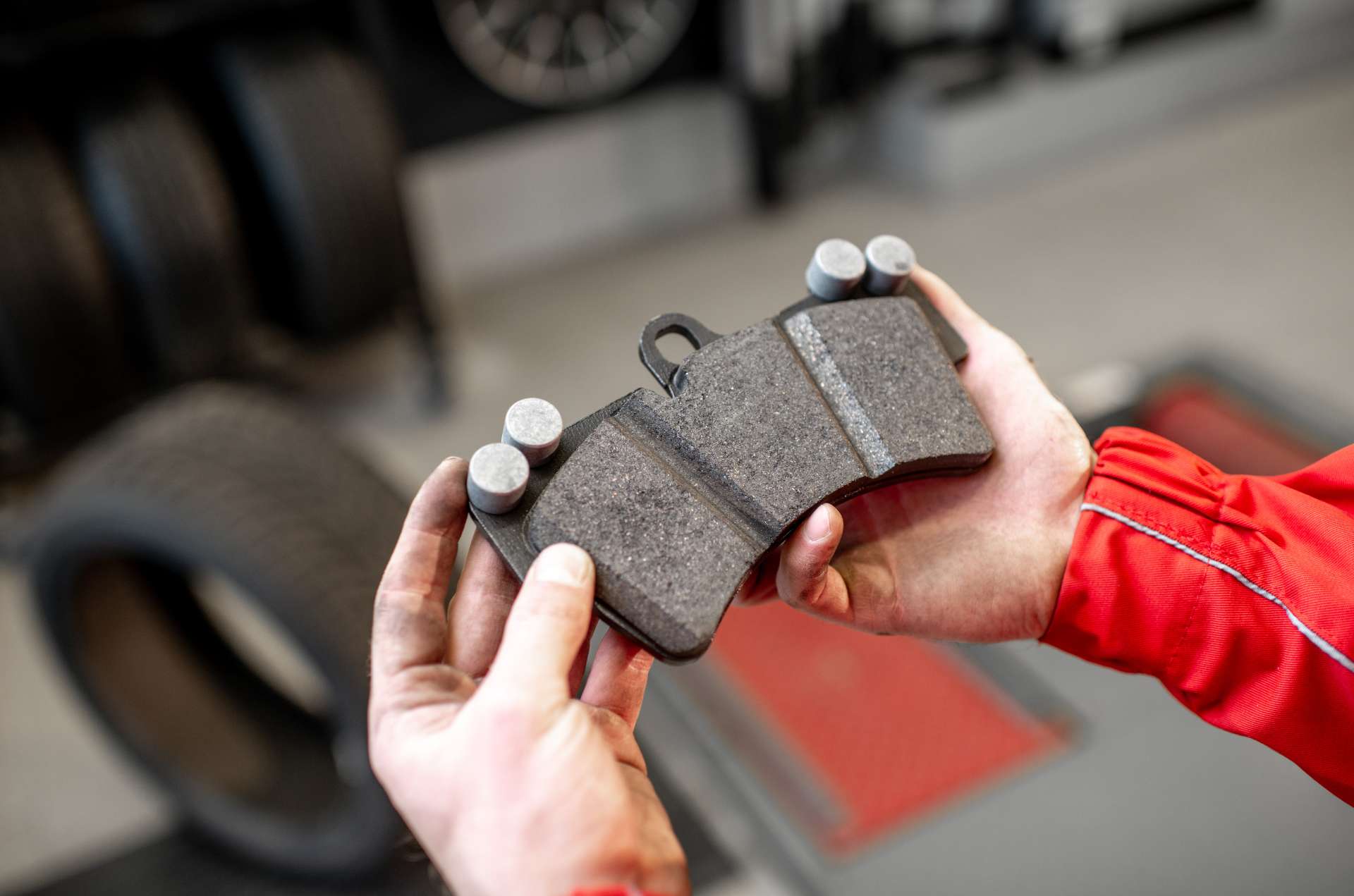
Pad compound characteristics
Friction materials vary widely. Each compound has strengths and trade offs. Mechanics see predictable patterns when matching pads to certain vehicle types.
Typical compound differences include:
Driving environment and duty cycle
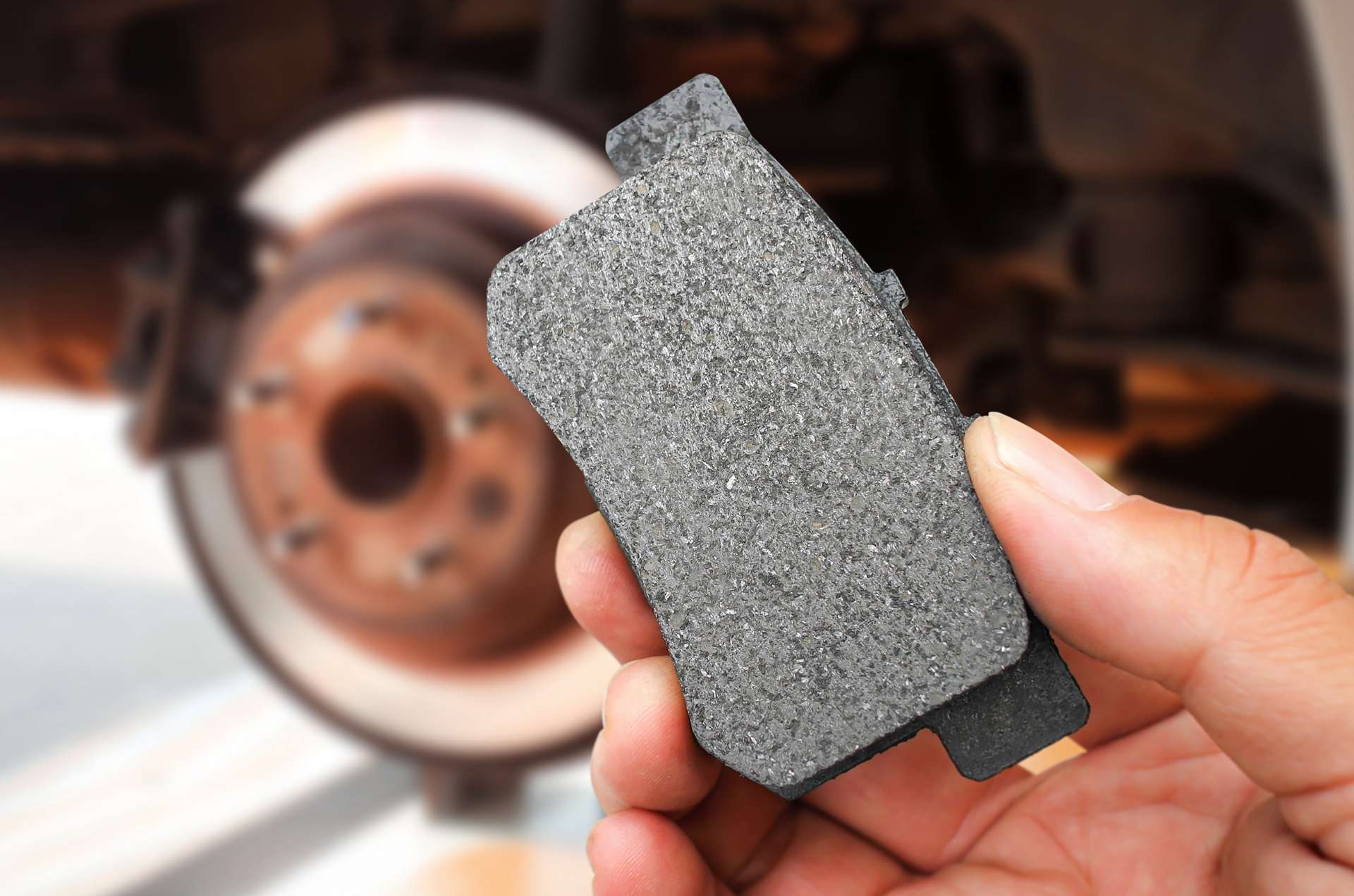
Driving conditions influence pad behaviour as much as the material. The same part number can behave differently across vehicles because the duty cycles differ.
Common workshop observations include:
Why understanding compound behaviour matters
Modern braking systems ask more of pad materials than previous generations. Vehicle weight, metallurgy, electronic control and environment all influence how a pad behaves. Workshops that understand these interactions can match compounds more effectively, reduce comeback risk and maintain predictable braking performance across a broad vehicle mix.