
Fine, spider-webbed marks are often dismissed as cosmetic. Deeper fractures trigger immediate rejection. The difficulty lies in the space between those two responses, where the distinction between heat checking and structural cracking is neither academic nor theoretical, but central to machining decisions, warranty exposure, and system reliability.
Despite how frequently this judgement call is made in workshops, it remains poorly defined in most technical literature available outside OEM documentation. The result is inconsistent decision-making, particularly when rotors appear to machine cleanly but fail prematurely in service.
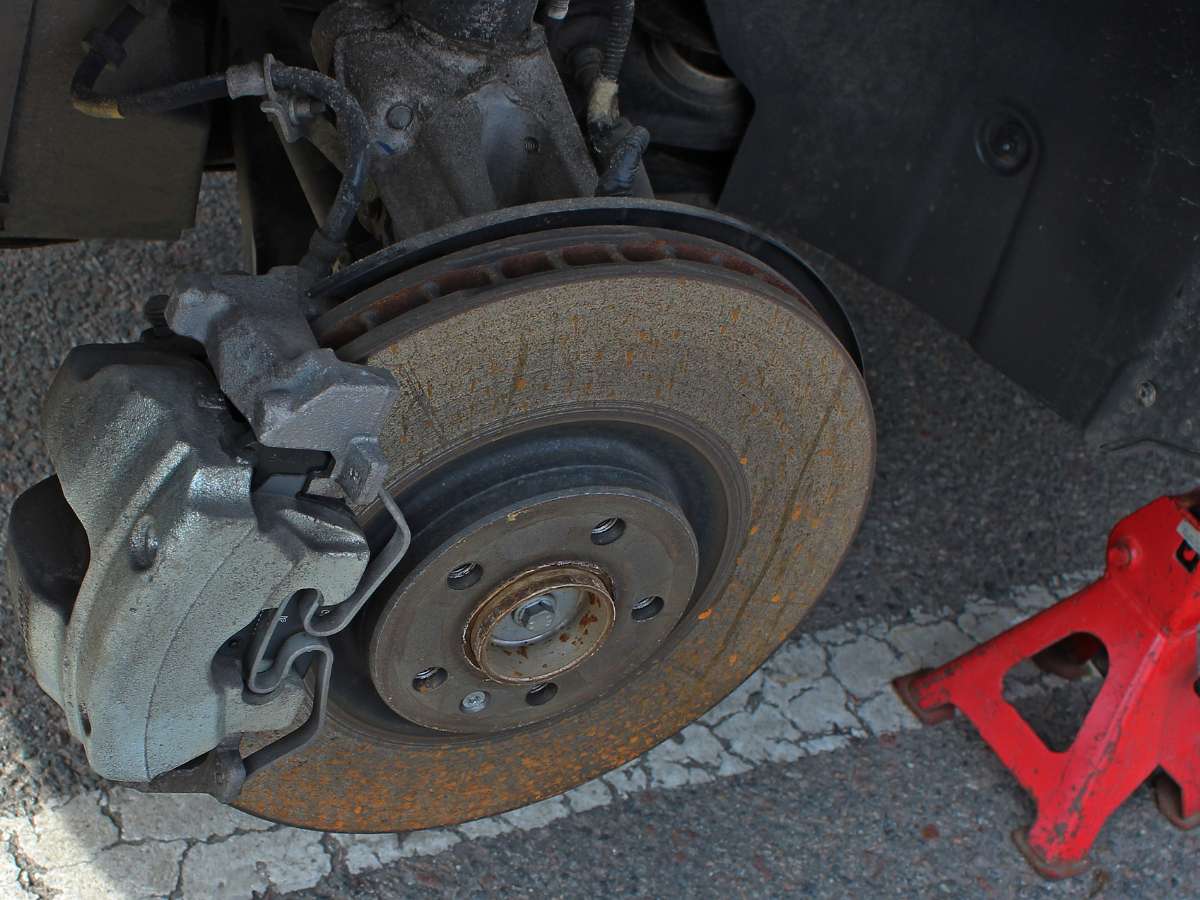
Heat Checking as a Thermal Stress Marker
Heat checking originates at the friction surface. It is a response to repeated thermal cycling, where rapid heating during braking events is followed by uneven cooling once load is removed. The cast iron surface relieves this stress through microscopic surface fractures.
In service conditions, heat checking typically presents as:
Importantly, these marks do not follow internal structures such as cooling vanes, nor do they propagate directionally. They are the visible consequence of thermal stress, not a failure of the rotor’s internal integrity.
Where thickness, runout, and parallelism remain within specification, rotors displaying light to moderate heat checking often return to service without issue following machining. In these cases, the surface condition is an indicator of prior thermal load, not an imminent structural problem.
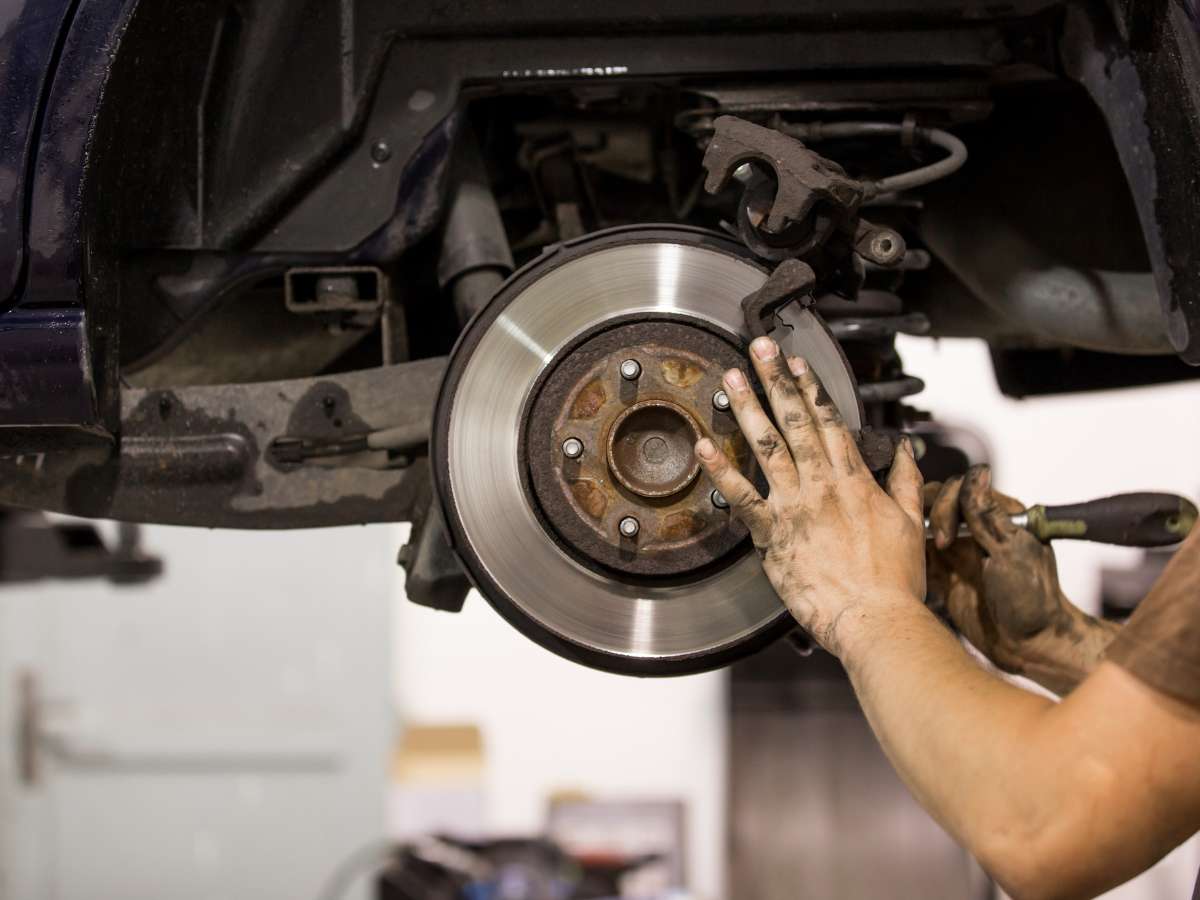
Structural Cracking and Internal Stress Failure
Structural cracking is a different condition entirely. These cracks originate below the surface and reflect a breakdown in the rotor’s internal stress distribution. They are typically associated with prolonged overheating, repeated operation near minimum thickness, or uneven thermal loading across the rotor body.
Common characteristics include:
In practice, these rotors rarely return cleanly for long. When they do, failure tends to occur quietly—noise complaints, vibration, or premature pad issues—rather than dramatic fracture.
The Overlap Zone and the Risk of Optimism
Most incorrect calls occur where heavy heat checking begins to show depth, alignment, or localisation. Surface marks that cluster near vane edges, deepen in specific zones, or follow consistent paths should be treated cautiously.
A useful distinction observed repeatedly in reconditioning environments is this:
Heat checking is chaotic. Structural cracking is organised.
When surface features begin to show order, the transition has often already occurred. At that point, machining success becomes unpredictable, and the risk shifts from technical feasibility to downstream liability.
Why the Line Has Narrowed
Modern braking systems operate closer to their thermal limits than earlier designs. Reduced rotor mass, higher pad friction coefficients, and more aggressive electronic intervention systems have narrowed the margin between surface stress and internal failure.
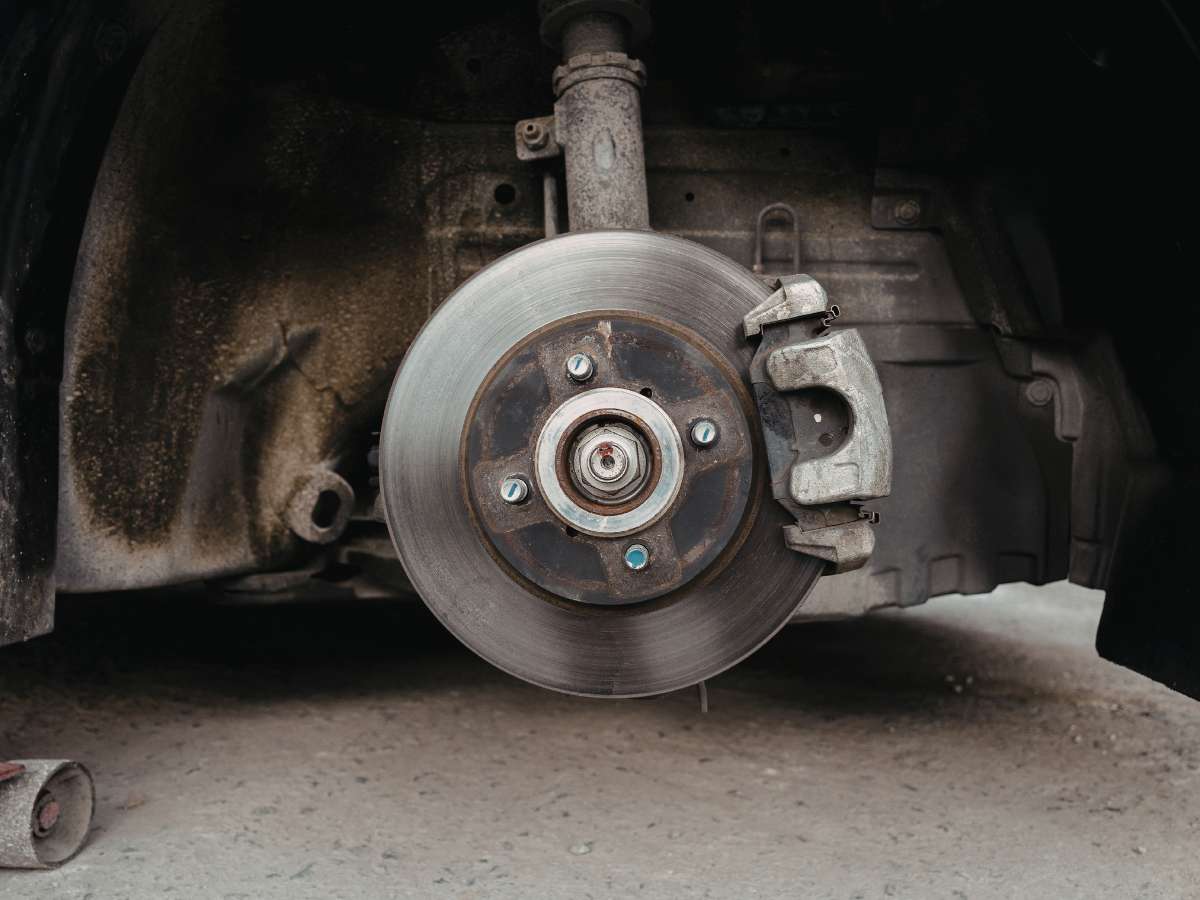
Workshop Perspective
In environments where brake components are not only installed but also returned, reconditioned, and examined after failure, the distinction between surface condition and structural integrity becomes clearer. Patterns repeat. Assumptions are tested against outcomes.
That exposure is part of daily operations at Brake & Clutch Warehouse, where machining, reconditioning, and hydraulic assessment routinely involve components that did not behave as expected in service. Seeing what fails after being deemed acceptable tends to sharpen where the line is drawn.
Between heat checking and structural cracking, that line is not theoretical. It is learned, reinforced, and occasionally re-learned the hard way.