
Custom braided brake hoses are worth considering when a standard hose does not suit the vehicle's length, fittings, routing, clearance or application. They are not an automatic upgrade for every vehicle. The right hose still needs the correct end fittings, safe routing, suitable length, road use compliance and proper installation by someone qualified to work on brake systems.
Brake & Clutch Warehouse in Thomastown supplies custom rubber and braided brake hoses for workshops, parts buyers and informed owners working through these fitment problems. The useful question is not simply rubber or braided. It is whether the hose suits the vehicle and the job.
Before ordering, check:
- What hose is being replaced
- Whether the vehicle is stock or modified
- Whether the old hose failed, rubbed, split, swelled or simply aged out
- Whether the suspension or brake setup has changed
- Whether the new hose can move through full steering and suspension travel
- Whether the fittings, threads and mounting points are confirmed
What is a custom braided brake hose?
A custom braided brake hose is a flexible hydraulic brake hose made to suit a specific vehicle, brake layout or modified setup. The braided outer layer is usually a stainless-style reinforcement over the hose core, with end fittings selected to match the vehicle's brake system.
A standard rubber brake hose is still the right answer for many vehicles. It is flexible, proven and often the simplest replacement when the correct part is available.
A braided hose becomes more useful when the standard part does not solve the fitment problem. That can happen with older vehicles, modified suspension, changed calipers, custom brackets, motorsport-style builds, 4WD lift changes or discontinued factory parts.
The word braided should not be treated as a shortcut for better. Hose quality, fittings, assembly, routing and compliance matter more than the outer material.
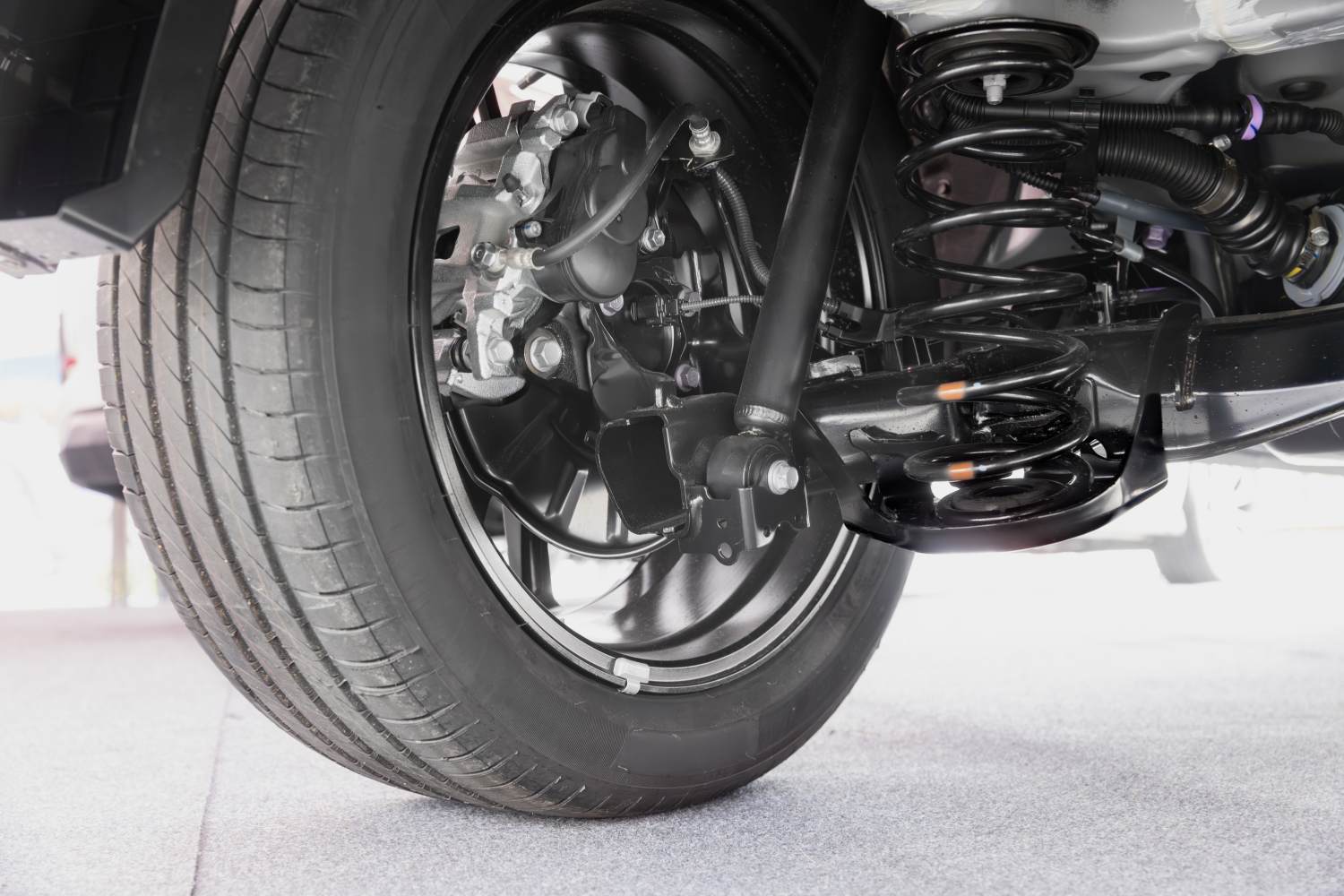
When is a custom brake hose worth it?
A custom brake hose is worth considering when the standard part creates a fitment, availability or routing problem. These are the common workshop situations.
- The original hose is no longer available: Older vehicles, imports, classic cars and less common models can be difficult to match from a catalogue. A custom hose may be the cleanest way to replicate the original length, fittings and mounting layout.
- The vehicle has been modified: Changed calipers, aftermarket brackets, brake conversions or altered hard-line positions can leave the original hose too short, too long or wrong at the fitting end.
- A suspension or lift change affects hose length: A lifted 4WD may need more hose length at full droop. The hose still has to stay clear at normal ride height, steering lock and full suspension movement.
- The hose needs different fittings or routing: Sometimes the issue is not length. It may be the angle of a banjo fitting, the thread type, the bracket position or the way the hose exits the caliper.
- A classic, custom or performance vehicle needs a non-standard solution: Custom builds often need hose assemblies that follow the actual brake layout, not the factory catalogue listing.
When is a standard rubber hose the better call?
A standard rubber hose is often the better call when the vehicle is stock, the correct replacement is available and there is no clearance or routing issue.
Rubber brake hoses make sense when:
- The original hose is available
- The brake layout has not changed
- The suspension height is standard
- The vehicle is a daily driver with normal use
- The hose brackets and mounting points are unchanged
- The customer wants the simplest correct replacement
- There is no need to change length, fittings or routing
For many brake hose replacement jobs, a direct-fit rubber hose is faster, cheaper and less complicated. That is not a compromise. It is the right part when the vehicle still suits the original design.
What details are needed before making a hose?
A custom hose is only as good as the information supplied before it is made. Guessing length, thread or fitting type can turn a simple job into a comeback.
Before ordering, have these details ready:
| Detail | Why it matters |
|---|---|
| Vehicle make, model and year | Confirms the base application |
| Front or rear location | Hose layouts often differ by axle and side |
| Existing hose length | Gives a starting point for the new hose |
| End fittings | Banjo, female, male, straight or angled fittings must match |
| Thread type | Wrong thread means leaks, damage or non-fitment |
| Mounting points | Brackets and clips control hose movement |
| Suspension travel or lift changes | Length must suit full droop and compression |
| Clearance near wheels and suspension | Prevents rubbing, snagging and stretching |
| Photos of the existing hose | Helps confirm routing and fitting orientation |
For modified vehicles, photos are often as useful as measurements. A clear photo of the old hose fitted to the car can show bracket position, caliper angle, hard-line location and clearance problems.
Braided vs rubber brake hoses: what changes?
Braided and rubber brake hoses can both be correct when they suit the vehicle and meet the required standard. The choice should come from fitment and application, not from habit.
| Factor | Rubber hose | Braided hose | What matters in practice |
|---|---|---|---|
| Availability | Often available as a direct replacement | Usually made or ordered for the job | Use the direct part if it fits correctly |
| Flex and movement | Very flexible for standard layouts | Can be less forgiving if poorly routed | Check steering and suspension travel |
| Abrasion resistance | Outer rubber can wear if rubbing occurs | Braided outer may resist some abrasion better | No hose should be allowed to rub |
| Pedal feel | Correct for most road vehicles | May reduce expansion compared with a tired hose | Pedal feel also depends on fluid, bleeding, pads and calipers |
| Routing tolerance | Suits factory brackets and paths | Useful for changed layouts | Length and fitting angle matter |
| Compliance and fittings | Must suit road use requirements | Must also suit road use requirements | Do not assume any braided hose is road suitable |
| Cost and time | Usually cheaper and faster if in stock | Usually costs more and needs more detail | Worth it when fitment needs justify it |
A braided hose may help when the old rubber hose is swelling, the original part is unavailable, or the setup has changed. It will not fix poor bleeding, seized caliper slides, contaminated brake fluid, warped rotors, incorrect pads or poor installation.
What can go wrong with the wrong brake hose?
The wrong brake hose can create a safety issue even when it screws into place. Brake hose fitment has to be checked dynamically, not just on the hoist with the wheels straight.
Common problems include:
- Hose stretching at full suspension droop
- Hose rubbing on the tyre, rim, spring, shock, arm or chassis
- Hose twisting during installation
- Kinks near the fitting
- Tight bend radius at the caliper or bracket
- Incorrect thread or seat type
- Banjo fitting angle that points the hose into a bad path
- Hose too long and looping into moving parts
- Hose too short under steering lock
- Poor clearance near exhaust heat
- Missing clips, brackets or supports
- Leaks from mismatched fittings or poor installation
A hose that looks acceptable with the vehicle sitting still can be wrong once the wheels turn, the suspension drops or the brakes heat up.
What should workshops ask before ordering?
The best ordering question is specific. It tells the supplier what problem the hose has to solve.
"We need a brake hose for [vehicle/application]. The original is [unavailable/too short/wrong routing], and the fitting details are [known/unknow What should workshops ask before ordering?
ng one?"
For a faster answer, include:
- Vehicle details
- Side and axle position
- Whether the vehicle is modified
- What changed from standard
- Existing hose length
- Required extra length, if known
- Fitting type at each end
- Thread type, if confirmed
- Photos of both ends
- Photos of the hose fitted to the vehicle
- Photos at steering lock or suspension droop, if relevant
For trade counters and workshops, that saves time. It also reduces the chance of ordering a hose that is technically custom but still wrong for the vehicle.
Are braided brake hoses legal for road cars?
Braided brake hoses can be suitable for road cars when the hose assembly, fittings and installation meet the applicable Australian requirements for the vehicle. The important point is that a hose being braided does not automatically make it road suitable.
For road use work, ask the supplier about ADR-compliant hose and fittings for the application. For modified vehicles, also consider whether the broader brake or suspension change needs additional compliance checks.
Do not fit generic braided hose assemblies from unknown sources to a road car and assume they are acceptable.
Do braided brake hoses improve pedal feel?
Braided brake hoses may improve pedal feel where an old rubber hose is swelling or where the vehicle's application justifies a firmer hose construction. The change is not guaranteed on every vehicle.
A soft or long pedal can also come from:
- Air in the hydraulic system
- Old or contaminated brake fluid
- Caliper issues
- Flexible caliper slides
- Pad compound choice
- Rotor condition
- Master cylinder faults
- Incorrect adjustment on some rear brake setups
If the complaint is pedal feel, diagnose the whole brake system before blaming the hose.
Can a brake hose be made longer for a lifted 4WD?
A brake hose can often be made longer for a lifted 4WD, but length alone is not the full answer. The hose must work through the full range of suspension and steering movement without stretching, rubbing, snagging or forming a tight bend.
A lifted 4WD hose should be checked at:
- Normal ride height
- Full steering lock left and right
- Full suspension droop
- Suspension compression where practical
- Wheel and tyre clearance
- Shock, spring and control arm clearance
- ABS wire and bracket positions
- Exhaust and heat exposure
A hose that is simply made longer can still be wrong if the routing is poor.
What measurements are needed for a custom brake hose?
The main measurements are overall hose length, fitting type at each end, thread type, fitting angle and bracket position. For a modified vehicle, the supplier may also need photos of the hose path and the suspension or brake changes.
A useful measurement set includes:
- Total hose length from sealing point to sealing point
- Length of the flexible section
- Fitting style at each end
- Thread size and pitch, if known
- Banjo bolt size, if used
- Banjo angle or clocking
- Bracket or retaining-clip position
- Distance to wheels, tyres, suspension and body
- Any extra length needed due to lift or conversion
When in doubt, send photos before ordering. Brake hose work is not the place for catalogue guessing.
Choosing the right brake hose without guesswork
Custom braided brake hoses are worth it when the vehicle's setup makes a standard hose unsuitable. That might be because the original part is obsolete, the suspension has changed, the brake layout has been modified or the standard hose will not route safely.
A standard rubber hose is still the better choice when it is available and correct for the vehicle. The job is to match the hose to the application, not to choose braided because it sounds like an upgrade.
Brake & Clutch Warehouse can supply custom rubber and braided brake hoses for trade customers, workshops and informed owners who need the right fitment details sorted before the car goes back on the road. For the quickest answer, call with the vehicle details, the old hose in hand if possible, and clear photos of the fittings and routing.