Heat Checking vs Structural Cracking – Diagnosis Insights
A technical, workshop-informed analysis of how heat checking differs from structural cracking in brake rotors,…


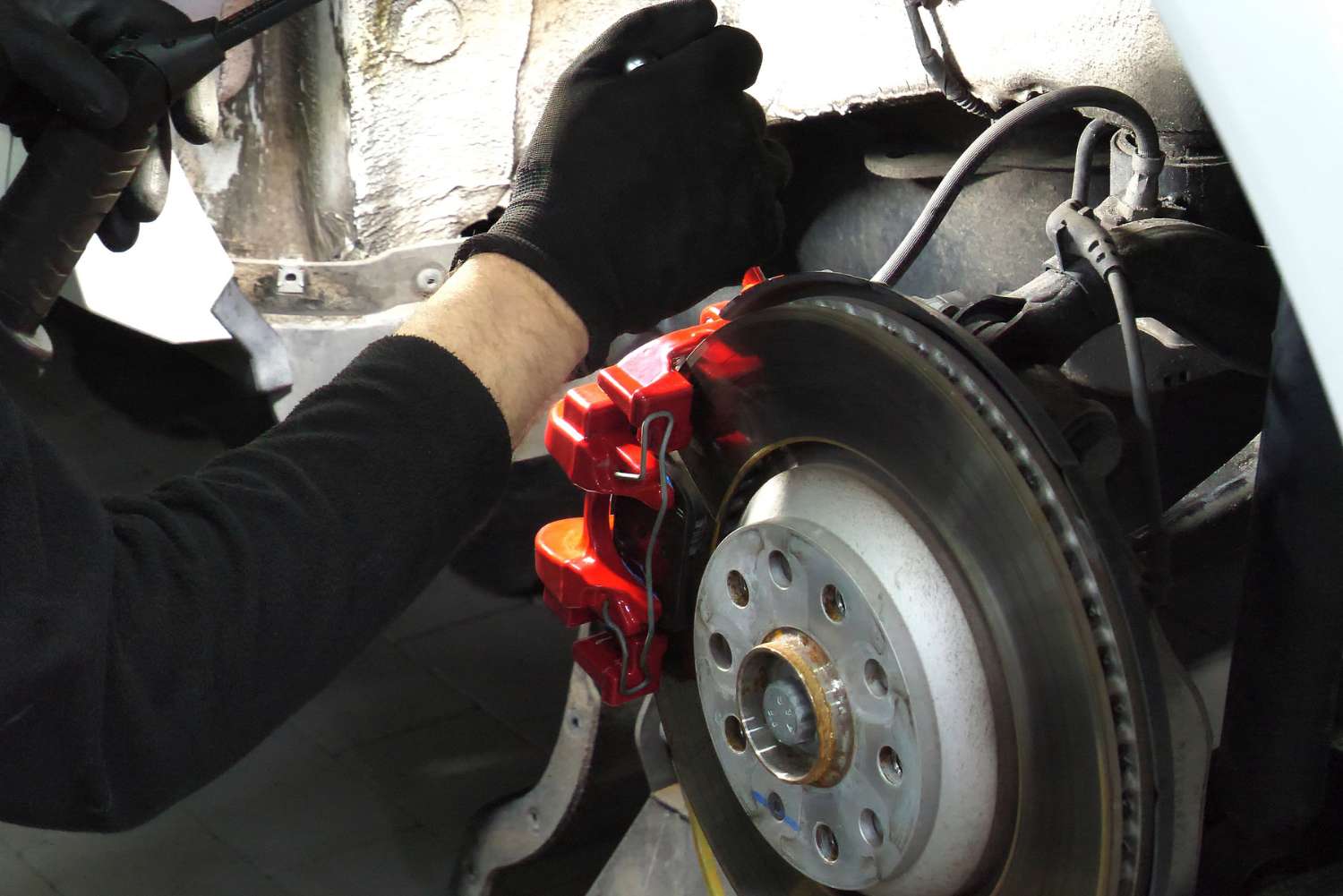

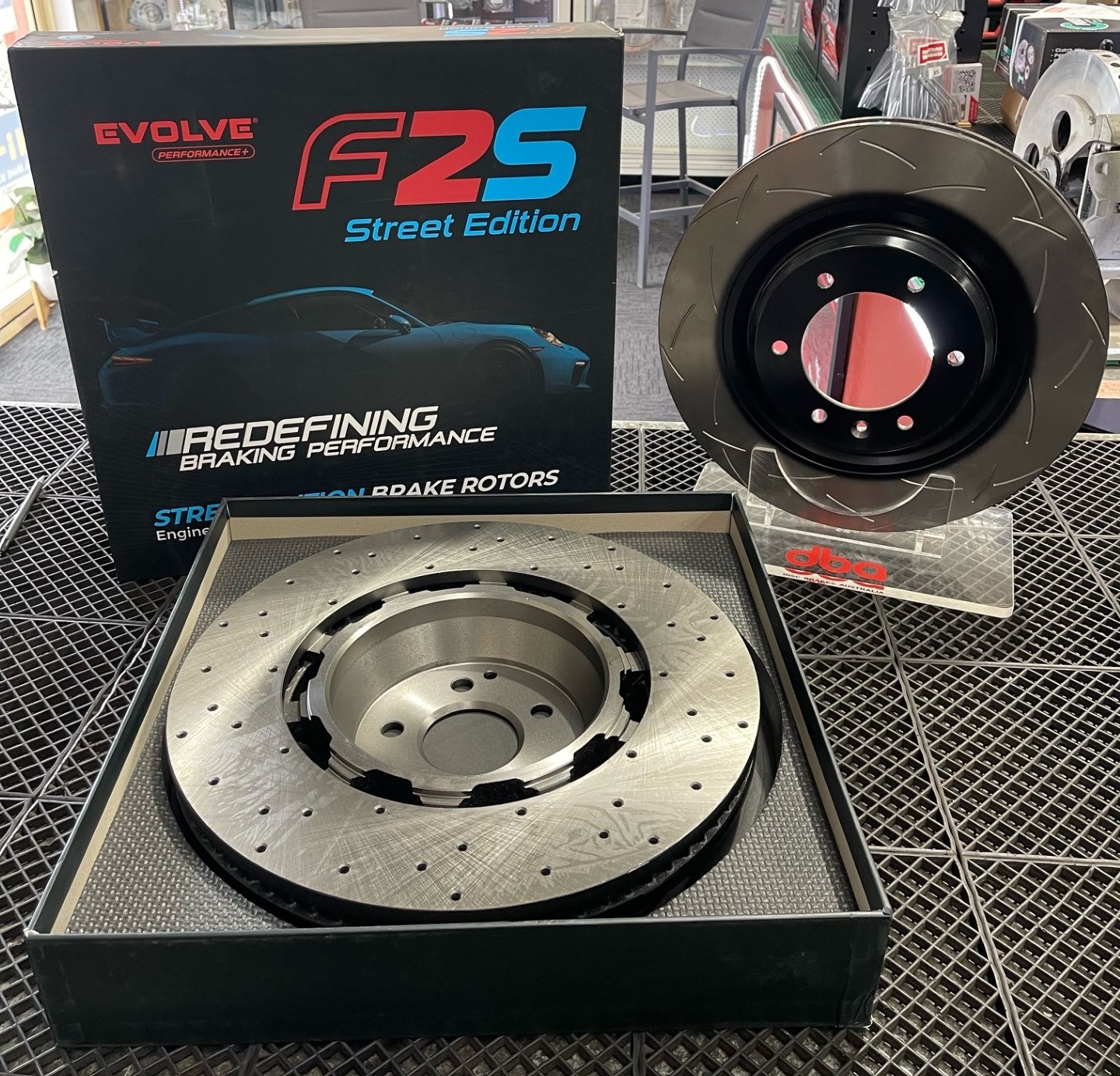

Rotor performance starts with metallurgy. Small shifts in the carbon, silicon or alloy balance change hardness, thermal behaviour and crack resistance. Workshops see these differences during road tests. One rotor may handle repeated heat cycles with no drama while another shows early surface irregularities.
Not all suppliers hold metallurgy consistent across all manufacturing runs, which is why some batches behave differently even when the part numbers match.
Once cast, rotors rely on precise machining to maintain thickness and surface quality. Small deviations in the final grind can produce disc thickness variation, runout or uneven pad contact.
Common machining factors that influence workshop results include:
Mechanics often describe these issues as feel problems because they show up in pedal feedback before they are visible on the rotor face.
| Factor | What Can Vary | How It Shows Up in the Workshop |
|---|---|---|
| Casting quality | Alloy balance, hardness | Hotspots, cracking, surface irregularity |
| Machining precision | Runout, surface finish | Vibration, uneven wear, noise complaints |
| Venting design | Vane count, spacing | Fade behaviour, hot running, uneven cooling |
| Batch consistency | Factory changes, QC shifts | Performance swings between otherwise identical rotors |
| Pad pairing | Compound compatibility | Glazing, noise, unpredictable bedding |
Venting is one of the biggest differences between rotor designs. Internal vanes manage airflow and cooling, and subtle changes affect how a rotor handles load, towing or repeated stops.
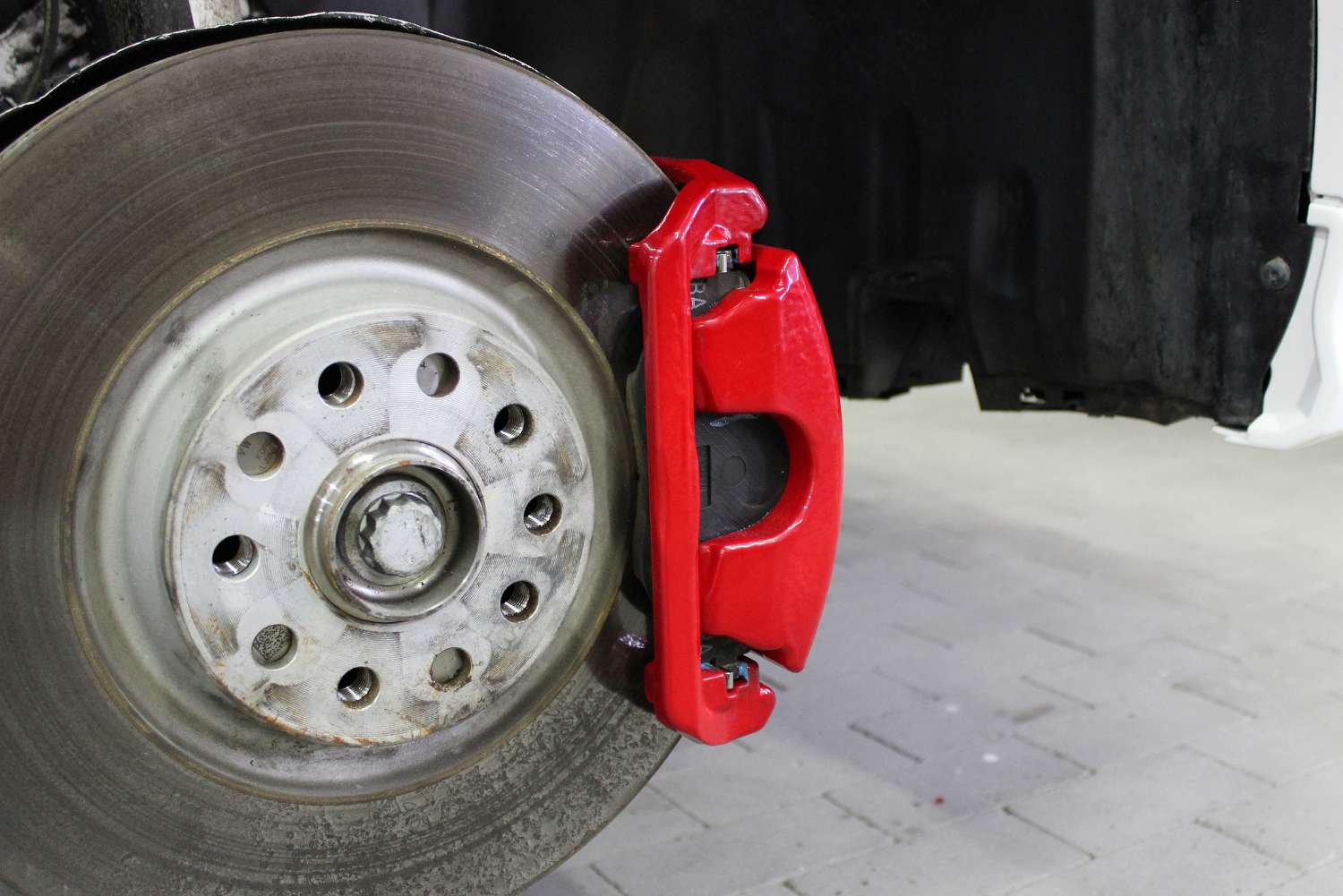
Some suppliers source rotors from multiple factories. Others work with single-origin manufacturers that keep tighter quality controls. Workshops notice the difference immediately. Predictable batches reduce comebacks. Mixed sourcing can create a situation where one batch behaves perfectly and the next introduces noise or shudder.
Consistency has become one of the biggest deciding factors for mechanics choosing a brake supplier. It reduces workshop time spent diagnosing parts-related issues and improves customer satisfaction.
When rotors vary, workshops deal with the comeback. Noise, pedal shudder and uneven wear often point back to material or machining differences rather than installation technique. With more of the Australian fleet moving toward heavier SUVs, commercial vans and vehicles with higher thermal loads, rotor stability and quality control have become increasingly important.
Mechanics want rotors that behave predictably, reduce diagnostic time and avoid repeat visits. Understanding why batches differ helps identify which suppliers provide consistent performance across a wide range of vehicles.

Website design by CJ Digital